
Side effects of Calcium
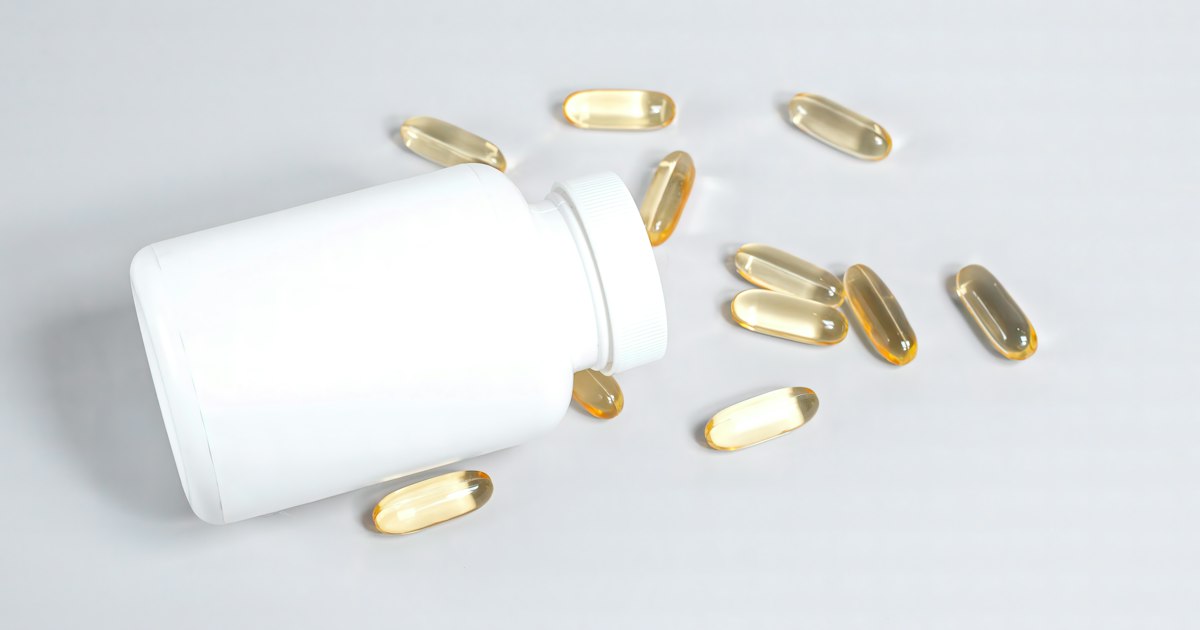
Calcium seems like the safest supplement on the shelf: it's "just a mineral for bones." However, precisely in tablet form, in large single doses, and against the background of other drugs, it can cause quite real problems — from banal constipation to kidney stones. The editorial team has gathered which side effects of calcium are confirmed by research, what they depend on, and how to avoid them.
Why supplements behave differently from dietary calcium
Calcium from dairy products, leafy greens, or mineral water enters the intestine in portions of 100–300 mg together with proteins, fats, and other food components. A tablet, however, delivers 500–600 mg of elemental calcium at once, and sometimes more. Such a "bolus" dose affects absorption, the calcium level in the blood, and the load on the kidneys differently.
Calcium absorption in the intestine occurs by two routes: active transport, regulated by vitamin D, and passive diffusion between the cells. When the dose is large, the active mechanism becomes saturated, and the proportion of absorbed calcium decreases. The unabsorbed remainder stays in the intestinal lumen, where it binds fatty acids and phosphates and affects motility.
The short-term peak of calcium in the blood after taking a tablet also differs from the smooth profile with dietary intake. It is with these peaks that some researchers associate the hypothetical effect of supplements on blood vessels — a topic we will return to below.
Finally, a supplement is not only calcium but also the salt in which it is contained: carbonate, citrate, lactate, gluconate. Carbonate neutralizes stomach acid and releases carbon dioxide, so part of the complaints is related precisely to the form, not to the mineral itself.
Therefore the safety of calcium should be assessed separately for dietary and supplement sources. Most large reviews, in particular the report of the U.S. Institute of Medicine (2011), emphasize: total intake above the upper tolerable limit is almost always associated precisely with supplements.
Gastrointestinal side effects
The most common complaints while taking calcium are constipation, bloating, a feeling of heaviness in the abdomen, and flatulence. In the large Women's Health Initiative study, where women received 1000 mg of calcium carbonate with vitamin D daily, gastrointestinal symptoms were one of the main reasons why participants stopped taking it.
Calcium carbonate reacts in the stomach with hydrochloric acid to form carbon dioxide. Hence belching and bloating, especially if the tablet is taken on an empty stomach. In addition, carbonate temporarily reduces acidity, which in susceptible people can cause a so-called "rebound" — increased acid secretion afterward.
Constipation is associated with calcium's ability to bind fatty acids in the intestine and with a certain effect on the contractility of the smooth muscles of the intestinal wall. In people who already drink little water and eat little fiber, this effect is more pronounced.
Calcium citrate is usually tolerated more gently: it does not require acid to dissolve and does not release gas. Therefore people with a sensitive stomach, elderly people with reduced acidity, and those taking proton-pump inhibitors are more often recommended precisely citrate.
- What helps:dividing the daily dose into intakes of up to 500 mg of elemental calcium.
- Take carbonate with food, not on an empty stomach.
- Drink enough water and don't forget about fiber.
- In case of persistent complaints — change the form (carbonate to citrate) after consulting a doctor.

Kidneys and hypercalcemia
The connection between calcium and kidney stones is paradoxical. A prospective study by Curhan and colleagues (1993) showed that a high intake of dietary calcium was associated with a lower risk of urolithiasis: dietary calcium binds oxalates in the intestine and reduces their absorption.
With supplements the picture is different. In the WHI study, the incidence of kidney stones in the calcium-plus-vitamin-D group was statistically significantly higher than in the placebo group. The likely explanation is taking the tablets separately from food, when calcium does not have time to "intercept" oxalates, and the excess ends up in the urine.
A much rarer but more serious condition is hypercalcemia, that is, an increase in the calcium level in the blood. Against the background of ordinary doses in healthy people, it develops rarely. The risk increases with excessive vitamin D intake, parathyroid diseases, sarcoidosis, taking thiazide diuretics, and renal failure.
The calcium-alkali syndrome (formerly "milk-alkali") is described separately: a combination of hypercalcemia, metabolic alkalosis, and impaired kidney function. Patel and Goldfarb (2010) note that with the spread of over-the-counter calcium carbonate, including as an antacid, this syndrome has again become a notable cause of hospitalizations.
| Condition | Typical signs | What increases the risk |
|---|---|---|
| Kidney stones | Renal colic, blood in the urine | Supplements on an empty stomach, little fluid, a history of stones |
| Hypercalcemia | Thirst, frequent urination, weakness, nausea | Excess vitamin D, hyperparathyroidism, thiazides |
| Calcium-alkali syndrome | Nausea, confusion, worsening kidney function | Large doses of carbonate, antacids, kidney diseases |
The heart and blood vessels: what studies say
The most debate was provoked by the meta-analysis of Bolland and colleagues (2010) in the BMJ. The authors combined randomized studies of calcium supplements without vitamin D and found a moderate increase in the risk of myocardial infarction in the groups receiving calcium.
The hypothetical mechanism is the same short-term peaks of serum calcium after taking a tablet, which could theoretically contribute to vascular calcification and blood clotting. Dietary calcium does not produce such peaks, and in observational studies it is not associated with an increase in cardiovascular risk.
Other authors disputed the conclusions: some of the studies did not have cardiac events among the primary endpoints, and subsequent analyses gave contradictory results. There is still no consensus, so most guidelines take a cautious position.
The practical conclusion, with which most experts agree, is this: the priority is dietary calcium, and supplements are advisable when the diet does not cover the need. Total intake should not be raised significantly above the norm without need.
For people with already diagnosed coronary heart disease or a high cardiovascular risk, the advisability of long-term calcium supplement use should be discussed with a doctor individually.
Interactions with drugs and minerals
Calcium is a divalent cation, and in the intestine it forms insoluble complexes with a number of medicinal substances. The best-known examples are tetracyclines and fluoroquinolones: simultaneous intake with calcium can significantly reduce their absorption and make antibiotic therapy ineffective.
Similarly, calcium reduces the absorption of levothyroxine. In the study by Singh and colleagues (2000) in JAMA, taking calcium carbonate together with thyroid hormone led to an increase in TSH, that is, to insufficient action of the drug. The interval between them is usually recommended to be no less than 4 hours.
Calcium also affects the absorption of bisphosphonates, iron, and zinc preparations. For iron the effect was described by Hallberg and colleagues (1991): calcium taken with a meal reduced the absorption of both non-heme and heme iron. For female athletes with low ferritin this is practically important.
On the other hand, thiazide diuretics reduce calcium excretion in the urine, and therefore together with supplements they increase the risk of hypercalcemia. Cardiac glycosides (digoxin) against the background of high calcium can show enhanced toxicity.
If you take any prescription drugs, before adding calcium it is worth checking the list with a doctor or pharmacist and separating the intakes in time.
Editorial conclusions
At ordinary doses, calcium is a relatively safe supplement, but not a "neutral" one. The most common side effects are constipation and bloating, especially when taking carbonate on an empty stomach.
More serious risks — kidney stones, hypercalcemia, and calcium-alkali syndrome — increase with large doses, excess vitamin D, kidney diseases, and taking certain drugs.
The data on the cardiovascular risk of supplements are contradictory, so the sensible strategy is first to obtain calcium from food and use supplements only to cover a deficit, without exceeding the upper limit.
We also recommend reading our materials "How to take calcium: dosage, timing, duration," "Calcium: forms of release and which to choose," and "Who should not take calcium."
References
- Institute of Medicine. Dietary Reference Intakes for Calcium and Vitamin D. Washington, DC: National Academies Press; 2011.
- Jackson RD, LaCroix AZ, Gass M, et al. Calcium plus vitamin D supplementation and the risk of fractures. N Engl J Med. 2006;354(7):669–683.
- Curhan GC, Willett WC, Rimm EB, Stampfer MJ. A prospective study of dietary calcium and other nutrients and the risk of symptomatic kidney stones. N Engl J Med. 1993;328(12):833–838.
- Bolland MJ, Avenell A, Baron JA, et al. Effect of calcium supplements on risk of myocardial infarction and cardiovascular events: meta-analysis. BMJ. 2010;341:c3691.
- Patel AM, Goldfarb S. Got calcium? Welcome to the calcium-alkali syndrome. J Am Soc Nephrol. 2010;21(9):1440–1443.
- Singh N, Singh PN, Hershman JM. Effect of calcium carbonate on the absorption of levothyroxine. JAMA. 2000;283(21):2822–2825.
- Hallberg L, Brune M, Erlandsson M, et al. Calcium: effect of different amounts on nonheme- and heme-iron absorption in humans. Am J Clin Nutr. 1991;53(1):112–119.
Andriy Melnyk
A strength-sports coach and author of programs for beginner and intermediate levels. Writes about training planning.