
A general urine test above or below normal: causes in athletes and what to do
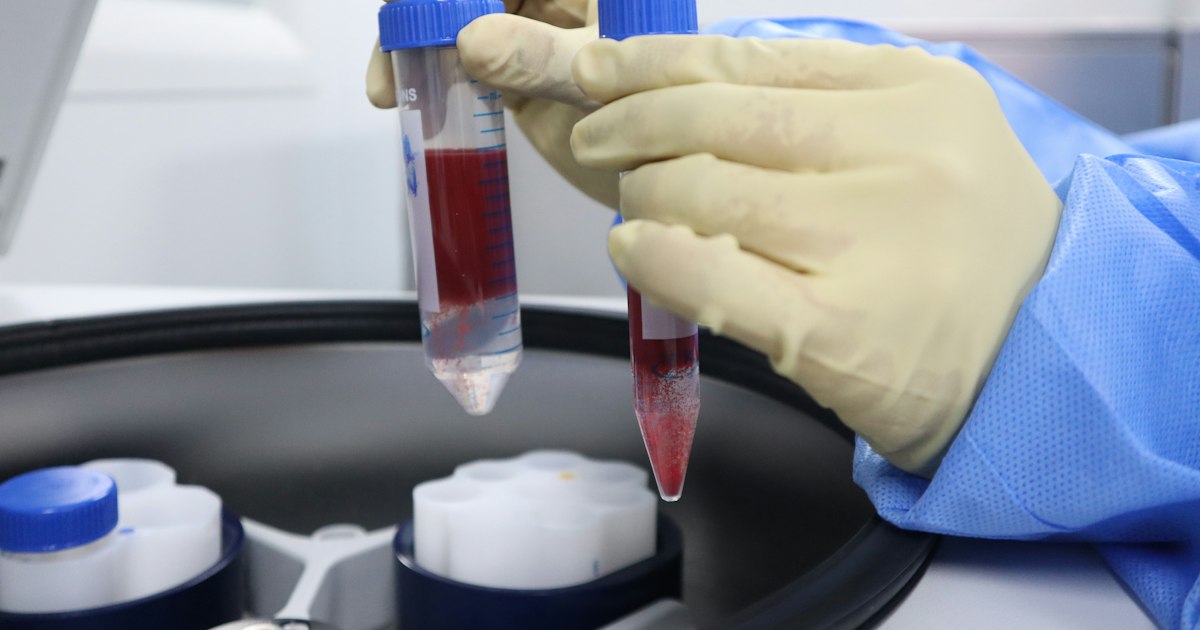
"Protein in the urine," "red blood cells," "high specific gravity" — such entries on an athlete's form appear often and are frightening. However, a significant part of these deviations is a temporary reaction to training or dehydration. Others, on the contrary, may be the first signal of kidney damage, rhabdomyolysis, or a metabolic disorder. The editorial team breaks down the most common deviations in a general urine test and the logic of action for each of them.
Protein in the urine
A small amount of protein in the urine after intense training is a well-known physiological reaction. It is associated with a change in the permeability of the glomerular filter and saturation of tubular reabsorption during exertion. Such proteinuria usually disappears within 24–48 hours.
Temporary proteinuria is also caused by fever, dehydration, severe stress, and cold. A separate variant is orthostatic proteinuria, when protein appears only in the upright position, which occurs in young people and is usually benign.
Persistent proteinuria in morning urine collected after several days without training requires further examination. For a precise assessment, the albumin/creatinine or protein/creatinine ratio in a single urine portion is determined, as recommended by the KDIGO guidelines.
Among athletes, a separate risk group is those who use anabolic steroids: the development of focal segmental glomerulosclerosis with marked proteinuria has been described. Persistent protein in the urine in such a situation is a reason for an immediate consultation with a nephrologist.
Blood and myoglobin in the urine
A positive reaction to blood on the test strip can mean three different things: red blood cells, free hemoglobin, or myoglobin. Microscopy helps to distinguish them: if there are no red blood cells in the sediment but the strip is positive, hemoglobin or myoglobin is likely.
Hematuria after exertion is a frequent finding in runners, cyclists, and representatives of contact sports. It usually disappears within a few days. The AUA/SUFU guideline on microhematuria defines it as 3 or more red blood cells per field of view under microscopy and recommends assessing risk factors before a urological examination.
Myoglobinuria is a much more serious situation. It indicates massive muscle damage, that is, rhabdomyolysis. The urine becomes dark, the color of tea or cola, and severe pain and weakness in the muscles appear. This is an emergency, since myoglobin can damage the kidneys.
If hematuria persists after rest, especially in older people, smokers, or those with pain, it requires examination by a urologist or nephrologist to rule out stones, infections, and diseases of the kidneys and bladder.
Specific gravity, ketones, and glucose
High specific gravity of urine (over 1.020–1.030) in an athlete most often means insufficient hydration. This is characteristic of training in the heat, cutting weight before competitions, and insufficient drinking on days with several training sessions.
Constantly low specific gravity (around 1.005 and below) usually indicates a large fluid intake. However, persistently dilute urine together with thirst and frequent urination may point to a disorder of the concentrating function of the kidneys or an endocrine disorder and requires checking.
| Finding | Typical causes in athletes | When to see a doctor |
|---|---|---|
| Specific gravity ↑ | Dehydration, heat, cutting weight | If it persists with adequate drinking |
| Specific gravity ↓ persistently | Excessive drinking | Thirst, polyuria, nighttime urination |
| Ketones + | Keto diet, fasting, energy deficit | Ketones together with glucose, nausea, weakness |
| Glucose + | High blood sugar | Always — a blood glucose test is needed |
| Nitrites/leukocytes + | Urinary tract infection | Pain, burning, fever, lower back pain |
Ketones in the urine are expected with a low-carbohydrate diet, prolonged fasting, and a marked energy deficit. For an athlete who does not consciously restrict carbohydrates, ketonuria can be a sign of insufficient nutrition and part of the picture of RED-S.
Glucose in the urine is not detected in a healthy person. Its appearance most often indicates an elevated blood sugar level and requires a glucose test and glycated hemoglobin. Ketones together with glucose in the urine are an alarming combination that requires immediate medical assessment.
Leukocytes, nitrites, and other findings
Elevated leukocytes in the urine together with positive nitrites most often indicate a bacterial urinary tract infection. Characteristic symptoms are burning during urination, frequent urges, and lower abdominal pain. The diagnosis is confirmed by a urine culture.
Leukocytes without nitrites may be associated with an infection by bacteria that do not produce nitrites, inflammation, stones, or improper urine collection. Therefore, with such a finding the test is often repeated with strict observance of hygiene.
Crystals in the urine (urates, oxalates, phosphates) often depend on the diet, the concentration of the urine, and its pH. Isolated crystals without symptoms usually have no significance, but abundant crystalluria together with lower back pain may point to urolithiasis.
Hyaline casts after exertion are a normal finding, whereas red-cell or granular casts in urine collected at rest indicate kidney damage and require a nephrologist's consultation.
What to do about deviations: a practical plan
The first rule is not to draw conclusions from a single test taken after training. Most post-exertion changes disappear within 24–72 hours, so a repeat test after rest often clears everything up.
- repeat the test after 48–72 hours without intense training;
- collect the first morning midstream portion with observance of hygiene;
- hydrate well the day before, but do not drink excessively before collection;
- tell the doctor about supplements, drugs, and menstruation;
- in case of persistent changes — further examination: albumin/creatinine, blood creatinine and cystatin C, kidney ultrasound, urine culture.
You need to see a doctor urgently in case of dark urine the color of tea or cola after exertion, severe muscle pain, noticeable blood in the urine, fever with lower back pain, and also with the appearance of glucose and ketones together with feeling unwell.
For prevention, a gradual increase in loads, adequate hydration, cautious use of non-steroidal anti-inflammatory drugs, and refusal of the uncontrolled use of drugs that can damage the kidneys are important.
A regular urine test at rest is a good way to have your own "baseline" against which subsequent results can be compared.
Editorial conclusions
Deviations in a general urine test in athletes are often a temporary reaction to training or dehydration: protein, red blood cells, and casts usually disappear after a few days of rest.
However, myoglobinuria, persistent proteinuria or hematuria at rest, and glucose and ketones in the urine require a doctor's attention. The key to correct interpretation is a repeat test under standard conditions.
We also recommend familiarizing yourself with materials on what a general urine test shows, on the glomerular filtration rate in athletes, and on rhabdomyolysis after training.
References
- Simerville JA, Maxted WC, Pahira JJ. Urinalysis: a comprehensive review. Am Fam Physician. 2005;71(6):1153–1162.
- Kouri T, Fogazzi G, Gant V, et al. European Urinalysis Guidelines. Scand J Clin Lab Invest Suppl. 2000;231:1–86.
- Armstrong LE, Maresh CM, Castellani JW, et al. Urinary indices of hydration status. Int J Sport Nutr. 1994;4(3):265–279.
- Sawka MN, Burke LM, Eichner ER, et al. American College of Sports Medicine position stand. Exercise and fluid replacement. Med Sci Sports Exerc. 2007;39(2):377–390.
- Poortmans JR. Exercise and renal function. Sports Med. 1984;1(2):125–153.
- Bellinghieri G, Savica V, Santoro D. Renal alterations during exercise. J Ren Nutr. 2008;18(1):158–164.
- Barocas DA, Boorjian SA, Alvarez RD, et al. Microhematuria: AUA/SUFU guideline. J Urol. 2020;204(4):778–786.
- Kidney Disease: Improving Global Outcomes (KDIGO) CKD Work Group. KDIGO 2024 Clinical Practice Guideline for the Evaluation and Management of Chronic Kidney Disease. Kidney Int. 2024;105(4S):S117–S314.
Andriy Melnyk
A strength-sports coach and author of programs for beginner and intermediate levels. Writes about training planning.